
Dentures and partial dentures
A useful denture estimate explains what you will receive now and what fitting work may be needed later.
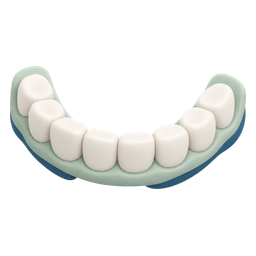
Removable dentures replace missing teeth. A conventional denture is fitted after tissues heal following removal of teeth; an immediate denture is fitted at the time of removal. An overdenture is supported by remaining teeth or implants. Ask which design is proposed and what fitting adjustments may be needed.
Clarify the type of denture
Ask whether the plan is for a complete or partial denture, which jaw it covers, and whether it relies on natural teeth or implants for support. Confirm whether you can remove it yourself. Terms such as ‘snap-on’ should be explained in the written plan rather than left as package labels.
Ask what happens as the fit changes
If the denture is being provided around the time of extractions, ask whether later relining or remaking is anticipated and whether those fees are included. A reline changes the fit of the existing denture; ask the dentist to explain when adjustment, relining or replacement would be considered in your case.
Questions for comparing estimates
- What teeth and base materials are proposed?
- Are extractions, temporary dentures or implant components separate?
- How many try-in and adjustment appointments are planned?
- Can I discuss tooth shape and shade before the final denture is made?
- Who will provide adjustments near home, and what records will they need?
Plan for comfort and follow-up
Ask the dentist for written instructions on wearing, cleaning and storing the denture. Get a contact for persistent soreness, looseness or damage. When comparing a travel plan, include the practical cost of returning for fit adjustments as well as the denture price.
Related dental guides
Comparing care in Los Algodones?
Use the Los Algodones guide to organize destination and travel questions. Put the proposed treatment, exclusions and follow-up arrangements side by side before making a decision.
Sources and further reading
Start with an assessment by a qualified dental professional. Use this general guide to prepare questions about your treatment options.