
Dental inlays and onlays
Ask how much of the tooth the proposed restoration covers and why that design was selected.
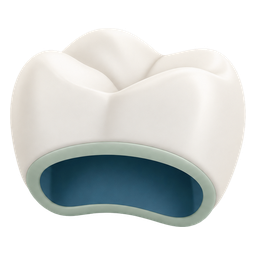
Inlays and onlays are made outside the mouth and fitted to a prepared tooth. An inlay fits within the tooth; an onlay also covers one or more raised points, called cusps, on its chewing surface. The dentist determines the appropriate coverage and material.
Understand the proposed coverage
Ask the dentist to show which part of the tooth would be restored and explain the distinction between the proposed inlay or onlay, a direct filling and a crown. The right comparison begins with the tooth’s condition and the purpose of each option, not simply the size of its price tag.
Questions for the estimate
- Which tooth and surfaces are included?
- What material is proposed, and is laboratory work included?
- Will I need temporary work while the restoration is made?
- How will the fit and bite be checked before completion?
- What adjustments, repair terms and follow-up visits are included?
Confirm the appointment sequence
Ask whether the restoration will be made on site or by an outside laboratory, and which appointments require your presence. Do not treat ‘same-day’ advertising as confirmation of your schedule. Ask what happens if the final fitting needs changes.
Keep a record of the finished work
Request the tooth number, restoration type and material for your records. Those details help a future dentist understand what was placed. Before traveling home, confirm where to seek a check if the bite feels different or the restoration needs attention.
Related dental guides
Comparing care in Los Algodones?
Use the Los Algodones guide to organize destination and travel questions. Put the proposed treatment, exclusions and follow-up arrangements side by side before making a decision.
Sources and further reading
Start with an assessment by a qualified dental professional. Use this general guide to prepare questions about your treatment options.